How I Smartened Up My TCM Spending — A Systematic Win
For years, I treated traditional Chinese medicine as a necessary expense—until I realized how much I was overspending without better results. What if managing TCM costs wasn’t about cutting corners, but building a smarter system? This isn’t just about cheaper herbs or fewer visits. It’s about aligning quality care with long-term financial sense. Here’s how I restructured my approach, saved significantly, and still got the healing I needed—without the financial drain. By shifting from reactive spending to intentional planning, I turned a recurring cost into a sustainable health investment. The change didn’t require drastic measures—just discipline, awareness, and a few strategic habits that made all the difference.
The Hidden Cost of Traditional Chinese Medicine
Traditional Chinese Medicine (TCM) is often perceived as a gentle, natural, and affordable alternative to Western medical treatments. Many people, especially women managing family wellness, turn to TCM for chronic fatigue, digestive discomfort, or seasonal immunity support, assuming it’s both safe and low-cost. However, beneath this surface lies a pattern of hidden expenses that can accumulate silently over time. What starts as an occasional herbal remedy can evolve into a monthly regimen, then a long-term dependency—without clear evidence of improvement. The financial impact becomes noticeable not in one large bill, but in repeated small expenditures that never quite add up to lasting health.
One of the biggest contributors to overspending is inconsistent pricing. Unlike regulated pharmaceuticals, TCM herbs and consultations are not standardized across clinics or suppliers. A single ingredient like Dang Gui (Angelica sinensis) can vary by more than 300% in price depending on the source, region, and perceived quality. Without knowledge of botanical authenticity or sourcing ethics, consumers often pay a premium for herbs that may not be significantly more effective. Additionally, the lack of transparency in formulation means patients rarely know which components are essential versus ornamental—leading to over-complex prescriptions that inflate cost without boosting benefit.
Another financial trap is the cycle of repeated consultations. Because TCM often emphasizes gradual adjustment rather than immediate symptom suppression, patients may visit practitioners every few weeks for updated prescriptions. While this approach supports personalized care, it also generates recurring fees—clinic visits, diagnosis time, and administrative charges—that can exceed the cost of the herbs themselves. Over time, this creates a dependency on the practitioner rather than a path to self-management. When treatment plans lack clear timelines or measurable goals, it becomes difficult to assess whether progress justifies the ongoing expense.
Finally, product quality inconsistencies contribute to waste and inefficiency. Some dried herbs lose potency due to improper storage or extended shelf life. Others may be adulterated with fillers or mislabeled species, requiring higher dosages to achieve the intended effect. This not only increases material costs but also raises health risks. Without a system to verify authenticity—such as sourcing from licensed suppliers or using third-party tested products—patients may unknowingly pay more for less effective treatments. The true cost of TCM, therefore, isn’t just monetary; it includes time, effort, and the opportunity cost of pursuing ineffective remedies.
Why a Systematic Approach Changes Everything
When TCM is used sporadically—only when symptoms flare up or seasonal changes occur—it functions more like emergency maintenance than preventive healthcare. This reactive model leads to fragmented treatment, inconsistent results, and inefficient spending. In contrast, a systematic approach treats TCM as a structured health program, similar to managing blood pressure or diabetes with regular monitoring and planned interventions. By introducing organization, predictability, and accountability, this method transforms TCM from a variable expense into a strategic investment with measurable returns.
A systematic strategy begins with coordinated diagnosis. Instead of seeking multiple opinions from different practitioners, which often results in conflicting prescriptions and duplicated efforts, a structured plan relies on a consistent diagnostic framework. This means working with one trusted provider who understands your full history and can track changes over time. Consistency reduces the need for repeated intake assessments, lowers the risk of contradictory advice, and allows for more accurate adjustments based on real progress. Over time, this continuity improves treatment efficacy while reducing administrative overhead and associated costs.
Treatment timelines are another cornerstone of a systematic approach. Rather than adjusting formulas randomly, a well-designed plan includes defined phases—such as an initial intensive period, a stabilization phase, and a maintenance cycle. Each stage has specific objectives, duration, and evaluation criteria. For example, a six-week course for digestive regulation might begin with strong harmonizing herbs, transition to gentler tonics, and conclude with dietary guidance to sustain results. Having a timeline creates clarity around duration and cost, preventing open-ended treatment that drags on indefinitely. It also enables better budgeting, as patients can anticipate expenses over weeks or months rather than reacting to surprise bills.
Supplier vetting and outcome tracking further strengthen the system. By selecting reliable herb providers and documenting symptom changes alongside prescription use, patients gain insight into what truly works. This data-driven mindset shifts the focus from faith-based healing to evidence-informed care. When you can see that a particular formula reduced bloating within ten days or improved sleep quality over three weeks, you’re better equipped to justify its cost and replicate success. The systematic approach doesn’t eliminate intuition or tradition—it enhances them with structure, making every dollar spent serve a clear purpose.
Mapping Your TCM Journey: Assessing Needs and Patterns
Before making any financial adjustments, it’s essential to understand your current TCM usage. Most people have no clear record of how often they visit practitioners, what conditions they’re treating, or how their symptoms respond over time. Without this awareness, cost-cutting efforts are guesswork. The first step toward smarter spending is creating a personal TCM profile—a documented summary of your health patterns, treatment history, and outcomes. This process brings visibility to habits that may be driving unnecessary costs.
Start by reviewing your past year of TCM activity. Gather receipts, prescription notes, and appointment logs. Note the frequency of visits—were they monthly, seasonal, or triggered by specific events like cold weather or stress? Identify the most common conditions addressed: digestive issues, menstrual discomfort, low energy, or respiratory sensitivity. Then, examine the typical formulas prescribed. Were they largely the same, with minor variations, or did they change drastically from one visit to the next? This review often reveals patterns of repetition or inconsistency that point to inefficiencies.
Next, assess whether your treatments are reactive or preventive. Reactive care means seeking help only after symptoms appear—such as taking herbal tea for a sore throat once it starts. Preventive care involves using milder tonics or dietary adjustments before problems arise—like taking Yu Ping Feng San during flu season to strengthen immunity. The latter is typically more cost-effective because it reduces the need for intensive treatment later. If your usage is predominantly reactive, you may be spending more to fix issues that could have been avoided with earlier, simpler intervention.
Finally, track symptom changes in relation to treatment. Did a formula resolve your insomnia within two weeks, or did it require multiple adjustments? Did a digestive tonic provide lasting relief, or did symptoms return shortly after stopping? By linking outcomes to specific interventions, you begin to distinguish high-value treatments from those with marginal benefit. This insight allows you to prioritize effective regimens and phase out those that don’t deliver results. Over time, this assessment becomes a powerful tool for aligning spending with real health improvements, ensuring that every dollar contributes to well-being rather than just activity.
Building a Trusted Core Network
One of the most impactful ways to reduce TCM costs—while improving care quality—is to establish a stable network of trusted professionals. Jumping between practitioners or buying herbs from random vendors may seem convenient, but it leads to inefficiencies, misdiagnoses, and inconsistent results. A core network—consisting of a primary TCM doctor and a reliable herb supplier—creates continuity, builds trust, and enables long-term cost savings through better coordination and reduced redundancy.
Working with a single licensed practitioner allows for deeper diagnostic accuracy. Over time, the doctor gains a comprehensive understanding of your constitution, medical history, and response patterns to various herbs. This familiarity reduces the need for lengthy intake sessions at every visit and minimizes trial-and-error prescribing. Instead of starting from scratch each time, the practitioner can make precise adjustments based on observed trends. This not only improves treatment outcomes but also lowers costs by avoiding unnecessary tests or redundant formulations. When both patient and practitioner are aligned on goals and progress, the relationship becomes more efficient and effective.
Similarly, partnering with a reputable herb supplier ensures consistent quality and fair pricing. Licensed suppliers who source directly from certified farms or processing centers are more likely to provide authentic, potent herbs without adulteration. They often offer volume discounts for regular customers or batch purchases, which can reduce per-unit costs by 20% or more. Some even provide verification services, such as batch testing reports or origin tracing, giving you confidence in what you’re consuming. This reliability prevents the hidden cost of ineffective herbs that require higher doses or longer treatment durations to work.
A stable network also reduces the financial burden of second opinions. When results are unclear, it’s tempting to consult another doctor for confirmation—each visit adding to the total expense. But with a trusted primary provider, you can address uncertainties through follow-up discussions rather than starting over elsewhere. This continuity fosters accountability and encourages transparent communication about what’s working and what isn’t. Over time, the relationship evolves into a true partnership in health, where both parties are invested in achieving sustainable results at a reasonable cost.
Optimizing Prescriptions Without Sacrificing Efficacy
Herbal prescriptions are not static—they should evolve based on your condition, season, and response. Yet many patients accept formulas as fixed, never questioning whether every ingredient is necessary or whether substitutions could lower cost without reducing benefit. A key part of financial intelligence in TCM is learning to review prescriptions critically and collaborate with your practitioner on optimization. This doesn’t mean cutting corners; it means using resources wisely to maintain therapeutic value while minimizing waste.
One effective strategy is ingredient substitution. Certain rare or imported herbs—such as wild-simulated ginseng or premium Cordyceps—carry high price tags due to scarcity and demand. However, in many cases, cultivated or regionally available alternatives offer comparable effects at a fraction of the cost. For example, cultivated American ginseng can often replace wild Korean ginseng in tonifying formulas with similar results. By discussing these options with your doctor, you can identify cost-effective equivalents supported by clinical experience and traditional texts. The goal is not to downgrade quality but to match potency with practicality.
Seasonal adjustments also play a crucial role in efficiency. A formula designed for winter dryness may include moistening herbs like Mai Men Dong or Yu Zhu, which are unnecessary in humid summer months. Continuing such a prescription year-round leads to over-treatment and wasted ingredients. A smarter approach is to revise formulas according to seasonal patterns, using lighter, cooling herbs in summer and richer tonics in winter. This not only improves relevance but also reduces the need for complex, all-purpose formulas that try to do too much at once.
Dosage efficiency is another area for optimization. Some patients take full decoctions daily even when milder symptoms suggest lower frequency or concentrated extracts could suffice. Working with your practitioner, you can explore options like reducing from twice-daily to once-daily dosing during maintenance phases or using granulated herbal powders that require less preparation and storage. These small changes add up over time, lowering both material costs and preparation effort. The key is maintaining communication and tracking outcomes to ensure that adjustments don’t compromise results. When done thoughtfully, prescription optimization turns TCM into a leaner, more responsive system—one that delivers healing without excess.
Smart Sourcing and Inventory Management
How and when you buy herbs can have a major impact on your overall spending. Purchasing small quantities at retail prices every few weeks may seem manageable, but it adds up over time and often results in paying a premium for convenience. A smarter approach involves strategic sourcing—buying in bulk during peak harvest seasons, storing herbs properly, and preparing concentrated forms at home. These practices reduce per-unit costs, minimize waste, and decrease reliance on frequent clinic visits for refills.
One of the most effective strategies is batch purchasing. Many high-quality herbs are harvested seasonally, and suppliers often offer lower prices during these periods due to abundant supply. For example, Dang Shen and Huang Qi are typically harvested in autumn and may be 25–40% cheaper when bought in bulk at that time. By coordinating with your practitioner to anticipate your annual needs, you can purchase a six- or twelve-month supply at once, locking in lower rates. This approach requires upfront planning and adequate storage, but the long-term savings are substantial. Just as families buy rice or tea in bulk for household use, treating medicinal herbs as a planned staple makes financial sense.
Proper storage is essential to preserve potency and prevent spoilage. Dried herbs should be kept in airtight glass containers, away from light, heat, and humidity. Labeling each container with the herb name, purchase date, and source helps track freshness and rotation. Most well-stored herbs retain efficacy for 12 to 18 months, though volatile ones like Bo He (mint) or Xiang Fu should be used within a year. Avoid plastic bags or cardboard boxes, which can absorb moisture and attract pests. With good storage, you eliminate the need to replace degraded herbs—a common but invisible cost in casual TCM use.
Home preparation techniques further extend value. Instead of buying pre-made pills or paying for clinic decoctions every month, you can prepare concentrated extracts at home. This involves simmering a large batch of herbs, reducing the liquid, and storing the concentrate in the refrigerator for daily use. One preparation can last several weeks, reducing both material waste and repeated processing fees. It also gives you control over ingredient quality and dosage. While this requires some time and attention, the trade-off is lower long-term costs and greater self-reliance. Smart sourcing, therefore, isn’t just about saving money—it’s about building a more sustainable, empowered approach to wellness.
Measuring Value: Beyond the Price Tag
True financial wisdom in TCM isn’t measured by how little you spend, but by how much health you gain per dollar. A cheap herb that doesn’t work is more expensive in the long run than a slightly pricier one that delivers results. Similarly, a low-cost clinic visit that leads to ineffective treatment costs more in time, discomfort, and repeated spending than a well-targeted plan that resolves the issue efficiently. The ultimate goal is value—aligning expenditure with meaningful health outcomes through mindful evaluation and continuous improvement.
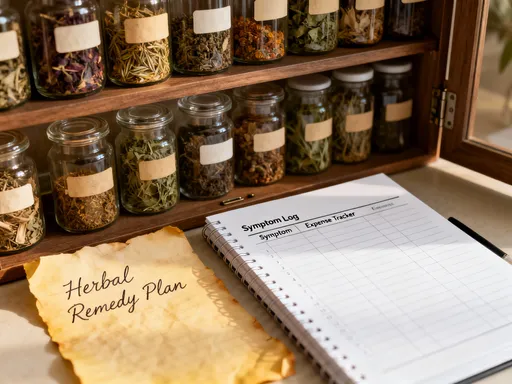
To measure value, start by tracking both cost and symptom changes over time. Create a simple log that records each prescription, its total cost, duration of use, and your perceived improvement on a scale of 1 to 10. Note any side effects, ease of preparation, and convenience. After several cycles, review the data to identify high-performing treatments—those that provided significant relief at a reasonable cost. These become your core regimens, worthy of continued investment. Conversely, flag treatments that were expensive but delivered little benefit; these are candidates for revision or elimination.
This tracking process transforms abstract spending into actionable insight. It allows you to answer key questions: Is this formula worth renewing? Could a simpler version achieve the same result? Has my condition improved enough to reduce frequency? By grounding decisions in evidence rather than habit, you avoid emotional or impulsive purchases—such as buying a new tonic because it’s recommended by a friend or advertised as “miraculous.” Instead, you make choices based on personal experience and cost-benefit analysis.
Over time, this value-focused mindset shifts your relationship with TCM from passive consumption to active stewardship. You become not just a patient, but a manager of your health resources—someone who invests wisely, monitors returns, and adjusts strategy as needed. This level of engagement doesn’t require expertise, only consistency and attention. The result is a system that supports both wellness and financial sustainability, where every dollar spent contributes to a stronger, healthier life. In the end, smartening up your TCM spending isn’t about frugality—it’s about intention. And that makes all the difference.