Lost in the Magic of Salalah’s Hidden Cultural Soul
You know what? I never expected Oman’s green jewel to hit me like it did. Salalah isn’t just about monsoon breezes and frankincense—stepping into its villages, I felt the pulse of traditions alive and proud. From drumbeats at dawn to handwoven tales in every market, this is cultural exploration at its most real. If you're craving authenticity, Salalah answers. Unlike the arid deserts often associated with the Arabian Peninsula, Salalah transforms each year into a lush, mist-kissed sanctuary during the khareef season. This rare phenomenon breathes life into terraced farms, mountain springs, and centuries-old customs that remain deeply woven into daily life. Here, tourism does not overshadow tradition; instead, it offers a rare chance to witness heritage as it’s meant to be lived—not staged, not simplified, but sustained with quiet pride across generations.
First Glimpse: What Makes Salalah Different from Any Other Desert Destination
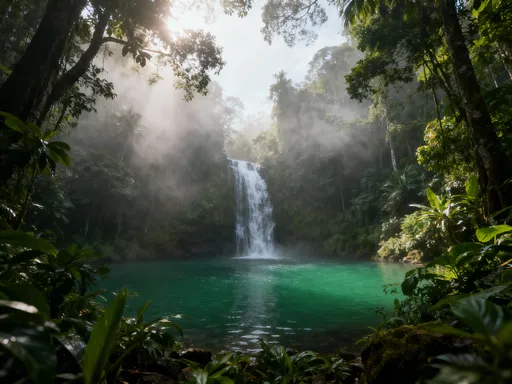
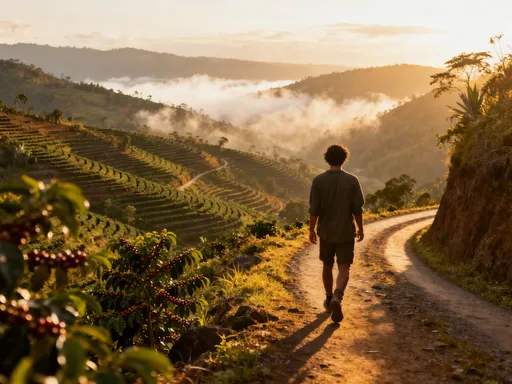
Salalah shatters the stereotype of the Middle East as an endless expanse of sand and heat. Nestled on Oman’s southern coast, this city undergoes a remarkable transformation every summer when the khareef monsoon rolls in from the Indian Ocean. Between June and September, the usually dry Dhofar region becomes a verdant escape, blanketed in fog, dripping with moisture, and teeming with greenery. Palm groves flourish, waterfalls cascade down limestone cliffs, and grassy plateaus stretch into the mist like something out of a dream. This seasonal miracle sets Salalah apart not only from other Omani cities like Muscat or Nizwa but from nearly every desert-adjacent destination in the region.
But it’s not just the landscape that makes Salalah unique—it’s how the environment shapes culture. The annual greening of the land is more than a weather pattern; it’s a rhythm that guides local life. Families from across Oman travel here during the khareef to escape the inland heat, returning to ancestral homes or renting simple villas where they reconnect with roots. Children run barefoot through dewy fields, elders sip coffee on shaded verandas, and the pace of life slows to match the soft hush of falling mist. There is no rush, no pressure to perform. Instead, there’s a deep appreciation for stillness, for being present in a place where nature renews itself—and by extension, so do people.
The presence of frankincense trees, or *Boswellia sacra*, further distinguishes Salalah. These hardy, gnarled trees grow wild in the surrounding wadis and hills, their sap harvested for centuries to produce the fragrant resin once traded across ancient empires. Frankincense wasn’t just a commodity—it was a sacred substance, used in religious rituals, medicinal practices, and royal courts from Egypt to Rome. In Salalah, the legacy of the frankincense trade isn’t confined to museums or history books. It lives on in the hands of local harvesters who climb rocky slopes each summer to make careful incisions in the bark, collecting the tears of resin that drip slowly like liquid gold. This continuity—between past and present, nature and culture—is what gives Salalah its soul.
The Heartbeat of Tradition: Experiencing Omani Music and Dance
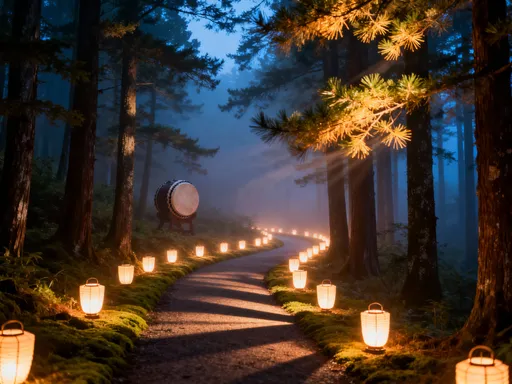
One evening in the village of Al-Haffa, I found myself seated on a woven mat in a quiet courtyard, surrounded by men whose voices rose in powerful unison. There were no microphones, no stage lights—just the raw, resonant energy of a *raqs al-ayyal*, a traditional Omani men’s dance performed during celebrations and community gatherings. The drumbeat was steady, almost primal, echoing through the warm night air like a shared heartbeat. Men linked arms, swaying and stepping in synchronized rhythm, their movements strong yet graceful, telling stories of maritime journeys, desert endurance, and collective resilience.
This was not entertainment designed for tourists. No signs advertised the event; no entrance fee was collected. It was simply part of life—a spontaneous expression of identity and belonging. As I sat quietly, sipping gahwa served in delicate handleless cups, I realized that music here is not background noise or fleeting amusement. It is memory made audible, passed down orally from one generation to the next. Each chant, each rhythmic pattern carries meaning—some recount historical events, others honor tribal lineages, and many celebrate unity and hospitality.
Not far from the circle of dancers, women gathered under a thatched awning, their voices weaving intricate harmonies in a call-and-response style known as *lahooh*. Their gold jewelry caught the flicker of lantern light as they sang, their expressions serene yet deeply engaged. Though gender roles in Omani society often keep men and women in separate social spaces during such events, the music itself bridges that divide, creating a shared cultural fabric. Listening to them, I felt a profound sense of reverence—not just for the artistry, but for the continuity of tradition in a world that often discards the old in favor of the new.
What struck me most was the absence of self-consciousness. No one performed for an audience. They sang and danced because it was natural, because it belonged to them. And in that authenticity, there was immense beauty. For travelers seeking genuine connection, moments like these—unscripted, unhurried, unfiltered—are priceless. They remind us that culture is not something to be consumed, but something to be respected, witnessed, and absorbed with humility.
Weaving Stories: The Art of Sadu and Frankincense Craftsmanship
Inside a modest workshop near Salalah’s central souq, a craftsman worked in silence, his hands moving with precision as he wove wool into bold geometric patterns. This was *sadu* weaving, a textile tradition practiced for generations by Bedouin women across the Arabian Peninsula. Though often associated with Saudi Arabia and Kuwait, sadu holds deep significance in Omani heritage as well, particularly among the nomadic tribes of Dhofar. Each design is symbolic: zigzags represent desert trails, diamonds signify water sources, and interlocking lines speak of community bonds. These are not mere decorations—they are visual stories, encoded with survival, migration, and identity.
I watched as the artisan—though male, which is less common—explained that he learned the craft from his mother and now teaches it to younger apprentices. He emphasized that sadu is more than technique; it’s a way of preserving memory. In a time when mass-produced textiles flood markets, handmade sadu pieces remain rare and treasured. They are worn during special occasions, gifted at weddings, and passed down as family heirlooms. To own one is to carry a piece of history.
Just a few stalls away, another form of heritage unfolded. An elderly vendor sat cross-legged behind a wooden tray, sorting frankincense resin by hand. The raw chunks—ranging from pale gold to amber—were laid out like jewels, each graded for purity and aroma. This resin, known locally as *al-luban*, has been harvested in Dhofar for over 5,000 years. Ancient traders carried it along the Incense Route, exchanging it for silk, spices, and precious metals. In temples and homes alike, frankincense was burned as an offering, a purifier, and a symbol of divine presence.
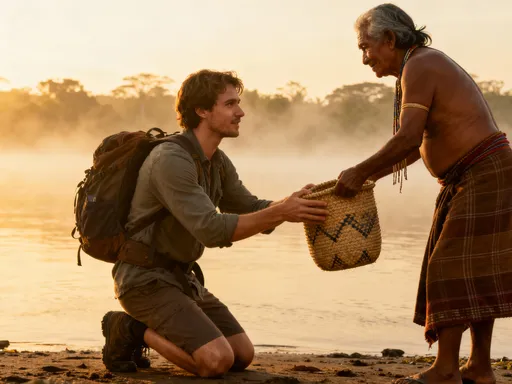
Today, its use continues in both spiritual and domestic settings. Many Omani households burn frankincense daily, believing its smoke cleanses the air and welcomes blessings. The scent—sharp, pine-like, with a subtle citrus edge—is instantly recognizable and deeply comforting to locals. As I inhaled the fragrance, the vendor smiled and said, “This is our gold. Not because it’s expensive, but because it’s ours.” That moment crystallized the essence of Salalah: value is measured not in currency, but in continuity, in the quiet pride of sustaining what matters.
A Taste of Heritage: Village Kitchens and Communal Feasts
One of the most transformative experiences in Salalah came not in a museum or a scenic overlook, but at a low wooden table in a family home outside Mirbat. I had been invited to a communal meal—an honor extended with quiet generosity. There were no menus, no waiters, no pretense. Instead, a large copper platter was placed on the floor, steaming with *shuwa*, the national dish of Oman. Lamb, marinated in a rich paste of crushed dates, spices, and vinegar, had been sealed in banana leaves and slow-cooked for nearly two days in an underground sand oven. When the wrapping was opened, the meat fell apart at the touch of a spoon, tender and aromatic, infused with smoky depth and warmth.
I sat with the men and boys of the household, eating with my right hand as custom dictates. Bread was torn and used to scoop the meat, while rice soaked up the flavorful juices. Conversation flowed easily—jokes, stories about the harvest, questions about my journey. No one hurried. No phones disrupted the moment. The meal lasted over an hour, not because we were overeating, but because we were connecting. In Western cultures, food is often functional—a quick lunch, a dinner after work. Here, it was ceremonial, a ritual of welcome and kinship.
The women of the family cooked and served but did not dine with us, adhering to cultural norms of modesty and privacy. Yet their presence was deeply felt. Every bite carried their care, their knowledge, their love. After the main course, small bowls of *halwa* were passed around—sticky, gelatinous sweets flavored with rosewater, saffron, and cardamom. Some versions included nuts or egg yolks, adding richness. It was unlike any dessert I’d tasted: intense, perfumed, almost medicinal in its complexity. Served alongside cardamom-scented tea, it closed the meal on a note of sweetness and warmth.
What made this meal unforgettable was not just the flavor, but the intention behind it. In Salalah, food is storytelling. Shuwa speaks of patience and celebration. Halwa echoes ancient spice routes and royal kitchens. Even everyday dishes like *madhbi* (grilled fish with rice) or *mishkak* (spiced meat skewers) reflect the region’s coastal geography and trading history. To eat here is to participate in a living tradition—one that values generosity, hospitality, and the sacred act of sharing.
Walking the Ancient Trails: From Frankincense Routes to Desert Shrines
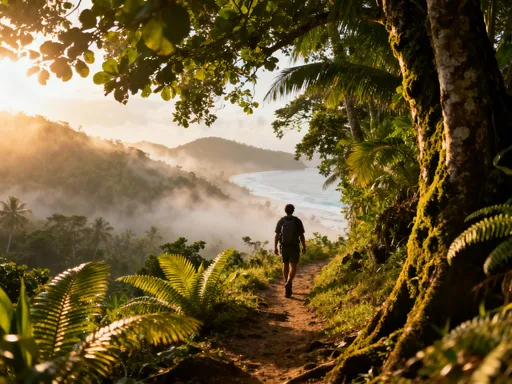
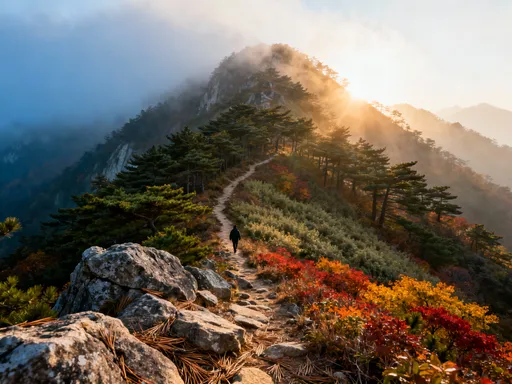
One misty morning, I set out with a local guide on a hike through Wadi Darbat, a dramatic valley carved by seasonal rains and centuries of runoff. The path wound past emerald pools, thundering waterfalls, and cliffs shrouded in fog. Goats perched on rocky outcrops, and kingfishers darted over streams. But beyond the natural beauty, what captivated me were the traces of human history embedded in the landscape. Scattered along the trail were stone markers, low walls, and remnants of ancient structures—fragments of the famed frankincense trade route that once linked Dhofar to markets as far as Greece and India.
Our guide pointed to a series of cairns—stacks of rocks used by caravans to mark safe passage. He explained that traders traveled in large groups for protection, guiding camels laden with resin through harsh terrain. These routes were not just commercial arteries; they were lifelines, connecting civilizations and spreading ideas, languages, and beliefs. Along the way, travelers built small shrines called *maqam*, places of prayer and rest dedicated to prophets or local saints. Some of these structures still stand, simple yet dignified, their whitewashed walls glowing in the diffused light.
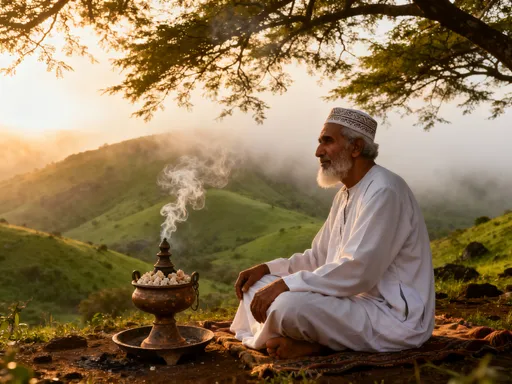
We paused at one such shrine, where incense smoke curled from a small metal dish. My guide whispered a prayer, then explained that even today, some shepherds and travelers stop here to seek protection. The continuity was humbling. This wasn’t a reconstructed site for tourists—it was a living place of faith and memory. Later, we visited a cave where Bedouin families still take shelter during seasonal migrations. The walls bore soot marks from ancient fires, and the floor was scattered with recent straw bedding. History wasn’t behind glass here; it was underfoot.
Hiking through Wadi Darbat, I realized that Salalah’s landscape is a palimpsest—a surface where layers of time overlap. Every rock, every spring, every path holds a story. To walk here is not just to enjoy nature, but to journey through time, to feel the presence of those who came before. The mountains don’t just hold water; they hold memory. And in that, they offer a rare gift: the chance to walk in the footsteps of history, not as a spectator, but as a witness.
Souq Culture: Where Bargaining Meets Belonging
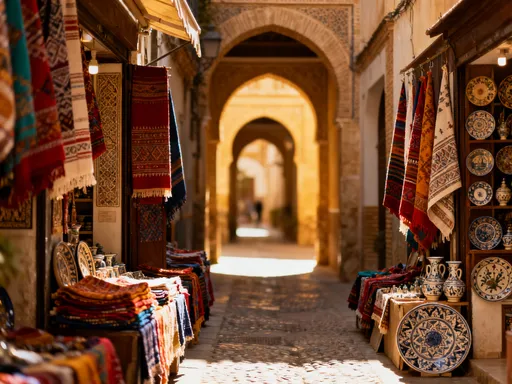
Salalah’s main souq is not a tourist bazaar filled with imported trinkets. It is a living marketplace, where Omani families come daily to buy fresh produce, spices, textiles, and household goods. As I wandered the narrow lanes, I passed stalls piled high with dried limes, crimson saffron threads, and bundles of myrrh. The scent of cardamom and cumin hung in the air, mingling with the earthy aroma of camel milk soap and fresh dates. Vendors called out greetings, not sales pitches. When I paused to examine a hand-carved *khanjar*, the national dagger with its distinctive curved blade, the shopkeeper didn’t push me to buy. Instead, he invited me to sit, offered tea, and showed me how to hold it properly—by the hilt, never the blade, as a sign of respect.
Bargaining is expected in Omani souqs, but it is not aggressive. It is a social ritual, a dance of politeness and mutual respect. Prices are often fixed for locals, but visitors may be quoted slightly higher—nothing excessive, but enough to allow room for negotiation. The goal is not to win, but to engage. A successful transaction ends not with a receipt, but with a handshake and a shared laugh. What I found most touching was the absence of pressure. No one followed me, no one insisted. Sales were secondary to connection.
One vendor, an elderly man with a kind face, handed me a date so fresh it burst with caramel-like juice. “Try,” he said simply. When I praised its sweetness, he smiled. “This is from my farm. We grow them with care.” That moment—small, genuine—captured the spirit of the souq. It’s not about commerce; it’s about community. Every purchase supports a family, every conversation builds a bridge. In a world of impersonal online shopping, Salalah’s souq is a reminder that markets can be places of humanity, warmth, and trust.
Traveling Right: How to Explore Salalah with Respect and Curiosity
To truly experience Salalah, one must travel slowly and thoughtfully. This is not a destination for checklist tourism or rushed itineraries. It rewards those who come with openness, humility, and a willingness to listen. Hiring a local guide is one of the best ways to deepen your understanding. Not only do they know the hidden trails and quiet villages, but they can translate cultural nuances that might otherwise be missed. A guide can explain the significance of a prayer call, the etiquette of entering a home, or the meaning behind a traditional song.
Dress modestly, especially when visiting villages or religious sites. Women should wear loose-fitting clothing that covers shoulders and knees; men should avoid shorts and sleeveless shirts. While tourists are generally treated with kindness, dressing respectfully shows appreciation for local values. Always ask permission before photographing people, particularly women and children. A smile and a gesture often suffice—and if the answer is no, accept it gracefully.
The best time to visit is during the khareef season, when the landscape is green and the air is cool. However, be prepared for humidity and occasional rain. Rather than staying in large international resorts, consider family-run guesthouses or eco-lodges. These accommodations not only offer a more authentic experience but also ensure that your spending supports the local economy directly.
Most importantly, come with the right mindset. Salalah is not a stage. Its culture is not performed for cameras. It exists on its own terms, shaped by faith, history, and community. When you sit with a family, share a meal, or listen to a story, you are not a customer—you are a guest. And in Omani culture, guests are honored as blessings. Treat the experience with reverence, and you will leave not just with memories, but with a deeper understanding of what it means to belong.
Conclusion: Why Salalah Stays With You Long After You Leave
Salalah doesn’t announce itself with fanfare. It doesn’t need billboards or viral hashtags. It whispers—in the rustle of palm fronds, the hum of a drum at dusk, the warmth of a cup of gahwa offered without expectation. Its magic lies in its authenticity, in the quiet confidence of a culture that doesn’t perform for outsiders but simply lives, deeply and deliberately, on its own terms. To visit Salalah is not to conquer a destination, but to step into a rhythm older than tourism, older than borders.
Here, traditions are not preserved behind glass. They are lived—in kitchens, courtyards, souqs, and mountain trails. The music, the food, the craftsmanship, the land itself—all speak of continuity, of a people rooted in place and purpose. In a world where so much feels fleeting, where experiences are curated and filtered, Salalah stands as a quiet testament to what endures.
And that is why it changes you. Not dramatically, not all at once. But slowly, like the drip of frankincense from a tree’s bark, it seeps into your awareness. It reminds you of the value of presence, of patience, of connection. You may leave with photographs, with souvenirs, with stories. But what stays with you, long after the tan fades and the suitcase is unpacked, is the feeling of having been welcomed—not as a tourist, but as a guest in a living, breathing culture. And in that welcome, there is a kind of transformation. Salalah doesn’t just show you a place. It shows you a way of being.