What I Found Driving Through Key West’s Food Scene Will Blow Your Mind
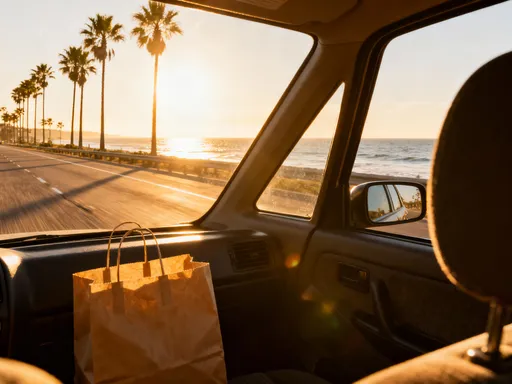
Driving into Key West feels like entering a sun-soaked dream where every corner hides a flavor worth chasing. I hit the road with no plan, just a full tank and an empty stomach, ready to dive into the island’s real soul—its food culture. From roadside shrimp trucks to keys-style cafes humming with locals, this journey wasn’t just about miles—it was about taste, rhythm, and the unexpected moments between bites. The freedom to stop on a whim, follow the scent of grilled fish, or park beside a neon-lit taco window after midnight transformed the trip into something deeper than tourism. It became a sensory map, drawn not by guidebooks, but by hunger and curiosity. In those quiet moments between destinations, with salt in the air and music drifting from open doors, I discovered that Key West’s truest flavors aren’t found in glossy restaurants—they’re uncovered slowly, one drive at a time.
The Open Road to Flavor: Why Self-Driving Unlocks Key West’s Culinary Heart
Traveling through Key West by car is not merely a convenience—it’s a revelation. Public shuttles follow fixed routes, and walking limits exploration to the busiest stretches of Duval Street, where menus are often designed for volume, not authenticity. But with a car, the island opens in layers. You can leave the postcard scenes behind and follow the locals, who rarely walk far but drive with purpose—to hidden docks, family-run diners, and roadside stands that appear more like afterthoughts than destinations. The rhythm of Key West’s food culture doesn’t align with tourist hours; it pulses with tides, shifts, and fishing runs. A fisherman might return at 3 a.m., and by 6 a.m., a grill near the marina is already serving cracked conch to early risers. Only those with wheels can catch these fleeting moments.
Having a car also means freedom from rigid schedules. No longer bound to restaurant hours or shuttle timetables, travelers can time their meals around mood, weather, or a sudden craving. Want breakfast at 10 a.m. after a late swim? Drive to a dockside shack where coffee is strong and omelets are made with yesterday’s catch. Craving something sweet at midnight? A 24-hour bakery near the southernmost point might be your only companion under the stars. This flexibility transforms dining from a routine into an adventure. It allows visitors to sync with the island’s natural cadence—where meals aren’t just eaten, they’re experienced in context, surrounded by sea breeze, live guitar, and the laughter of people who call this place home.
Moreover, self-driving grants access to culinary gems that exist off the beaten path. These are not the spots with flashy signs or Instagram lines. They’re places like a turquoise trailer behind a hardware store, where a grandmother flips fish cakes while her grandson takes orders. Or a parking lot pop-up that only appears on Thursdays, serving conch fritters so crisp they crackle when bitten. These locations aren’t walkable from hotels, and they’re rarely mentioned in guidebooks. But they are real, rooted in community, and deeply flavorful. The car becomes a bridge between outsider and insider, offering not just mobility, but permission to explore beyond the surface.
Breakfast Where the Locals Eat: No Tourist Traps, Just Real Taste
Mornings in Key West belong to the fishermen, the dockhands, and the early-shift workers who start their day before the sun clears the horizon. To eat breakfast like a local, you must rise with them—and drive to where they gather. One such place is a modest cinder-block building near Garrison Bight Marina, unmarked except for a hand-painted sign that reads “Joe’s Spot.” There’s no website, no menu board, just a counter where regulars order Cuban coffee and conch omelets without speaking. The eggs are fluffy, the conch is tender, and the coffee arrives in a small paper cup, strong enough to wake the dead. This is not a restaurant built for tourists; it’s a ritual, repeated daily by those who know the value of a good start.
Another early stop, reachable only by car, is a family-run café tucked behind a gas station on Whitehead Street. From the outside, it looks like a storage unit with a window. Inside, it’s packed by 7 a.m. with construction crews, postal workers, and retirees who come for the key lime pancakes—fluffy cakes swirled with tart citrus and topped with honey butter. The owner, Maria, has been flipping them for over twenty years. She remembers names, knows allergies, and never rushes an order. “Breakfast isn’t about food,” she says. “It’s about grounding yourself before the day takes over.” Sitting at a plastic table, watching boats glide across the inlet, you feel that truth in your bones.
What makes these spots special isn’t just the food—it’s the atmosphere of belonging. There’s no performative charm, no forced friendliness. Instead, there’s quiet respect, a shared understanding that this meal matters. And because you arrived by car, you’re not intruding; you’re participating. Parking curbside, stepping in with purpose, ordering with confidence—these small acts signal that you’re not just passing through. You’re engaging. And often, that’s all it takes to be welcomed. A man at the next table might offer a tip about a shrimp truck opening at noon. A waitress might save you a slice of pie. These moments don’t happen in crowded downtown eateries—they bloom in the margins, where the real island lives.
Lunch on the Move: Chasing Shrimp Trucks and Hidden Courtyards
By midday, Key West shifts into a slower gear. The heat rises, the tourists retreat to air conditioning, and the island’s true food culture emerges in shaded lots, breezy patios, and mobile kitchens that appear like mirages. These are not the places you find on GPS. They’re discovered by instinct, by following the smell of garlic butter and blackened spice down a narrow alley. One such find is a retro food truck painted like a tropical postcard—pink flamingos, palm trees, and a hand-lettered sign: “Shrimp & Grits, $12.” Parked behind a laundromat on Truman Avenue, it’s run by a couple who used to cook on a charter boat. Their shrimp are peeled fresh every morning, sautéed with peppers, onions, and a splash of rum, then served in a foil tray with a side of stone-ground grits.
Another lunchtime favorite is a hidden courtyard behind a row of shops on Simonton Street. You wouldn’t know it’s there unless someone told you—or unless you took a wrong turn and followed the music. Inside, string lights hang above picnic tables, a steel drum player strums lazily, and a chef flips mahi-mahi tacos on a flat-top grill. The tortillas are handmade, the slaw is tangy with lime, and the hot sauce is so fiery it comes with a warning. This isn’t a commercial venture; it’s a weekly gathering, hosted by a local chef who believes food should be shared, not sold. Cash only, no menu, just whatever was fresh at the market that morning.
These experiences are only possible because of mobility. They require the willingness to wander, to circle the block, to park and walk toward the sound of laughter. A shuttle wouldn’t stop here. A walking tour would miss it entirely. But a driver, moving at their own pace, can stumble into these pockets of authenticity. And that’s where the magic happens—not in perfection, but in spontaneity. The shrimp might be overcooked. The music might be off-key. But the moment feels real, unscripted, alive. It’s the kind of lunch that stays with you long after the plate is empty, not because of the taste, but because of the feeling it gave you.
Key Lime Beyond the Pie: A Taste Journey Through Local Twists
No flavor defines Key West like key lime. But beyond the ubiquitous pie—delicious as it is—lies a world of innovation. Locals don’t just bake with it; they infuse it into everything. At a small roadside stand near the Butterfly Conservatory, a vendor sells key lime aioli for fish sandwiches. The sauce is creamy, tart, and just spicy enough to linger on the tongue. Spread on a grilled grouper roll, it transforms a simple meal into something extraordinary. Another stop, a craft soda shop in Old Town, offers key lime fizz—carbonated water blended with real lime juice and a hint of mint. Served over ice in a mason jar, it’s the perfect antidote to the afternoon heat.
Then there’s the savory side. At a dockside grill in Stock Island, a chef uses key lime juice to marinate conch before grilling it. The acid tenderizes the meat, giving it a bright, clean flavor that pairs perfectly with a cold beer. Even cocktails get the treatment: mojitos with key lime instead of regular lime, margaritas with a splash of key lime puree, and daiquiris blended with local honey and lime zest. These aren’t gimmicks; they’re expressions of pride. Key limes are smaller, tarter, and more aromatic than regular limes, and those who grow them—often in backyard trees—treat them like gold.
One of the most surprising uses is in ceviche. At a marina market, a fishmonger prepares a daily batch using fresh yellowtail, red onion, cilantro, and a generous squeeze of key lime. The citrus “cooks” the fish, turning it opaque and flavorful in minutes. He serves it in small cups with plantain chips, and it’s gone by noon. “This is how we’ve eaten for generations,” he says. “No oven, no stove—just the sun and the lime.” It’s a reminder that key lime isn’t just a dessert ingredient; it’s a cornerstone of island cuisine, a thread that connects past and present, land and sea.
Sunset Bites: How Dinner Timing Shapes the Drive
In Key West, dinner isn’t just a meal—it’s a ritual timed to the sun. As golden hour approaches, the island slows, and the drive becomes part of the experience. You don’t rush to a reservation; you let the light guide you. A favorite route takes you along South Roosevelt Boulevard, where small grills appear like clockwork near the water. One, called Sunset Catch, sets up a folding table and grill every evening at 5:30 p.m. They serve nothing but fish sandwiches—grilled or fried—and cold drinks. There’s no seating, no menu, just a cooler and a smile. People pull up, park on the shoulder, and eat with the car doors open, watching the sky turn pink and orange.
Another tradition is the “hood dinner”—a fish sandwich or lobster roll eaten on the front of your car, parked overlooking the marina. It’s not fancy, but it’s perfect. The breeze cools your face, the gulls call, and the water shimmers with reflected light. This is when the island feels most alive, most generous. You’re not separated from the scene by a patio railing or a waiter’s notepad. You’re part of it. And because you have a car, you can linger as long as you like, savoring each bite without pressure to turn over the table.
Driving also allows you to chase the perfect moment. Maybe tonight, the light is better on the west side. Or maybe there’s music at a tiki bar near the naval base. With a car, you’re free to adapt, to pivot, to follow the mood. You might start dinner at one spot and end it at another, grabbing key lime pie to go and eating it under the stars. This fluidity—between movement and stillness, between journey and destination—is what makes dining in Key West so unique. The car isn’t just transportation; it’s a dining companion, a vessel for experience.
Late-Night Cravings: The After-Dark Food Pulse Only Drivers Catch
When the sun sets and the bars fill, a second food rhythm begins. This is the hour of the night owls, the shift workers, the sailors returning from duty. And only those with cars can fully experience it. Near the cruise ship docks, a 24-hour taco window glows in the dark, serving carnitas and al pastor to late-night crowds. The line moves fast, the salsa is fresh, and the tortillas are warm. It’s not gourmet, but it’s honest, satisfying, and exactly what you want after a long day.
Another favorite is a drive-thru fry shack on the edge of town, known simply as “The Basket.” Open from 10 p.m. to 3 a.m., it serves nothing but golden fried seafood—shrimp, oysters, and conch—dusted with seasoned salt and served in paper boats. You order through a crackling intercom, pay cash, and drive around to a window where a cook hands you the food with a nod. No names, no receipts, just food and silence. It’s a moment of pure simplicity, a reminder that sometimes, the best meals are the quietest.
Then there are the pop-ups—unannounced, unadvertised, appearing in parking lots or empty lots behind closed shops. One Friday night, near the old airport, a group of chefs set up a grill and served lobster sliders and key lime lemonade. They took payments via mobile reader, packed up by midnight, and vanished until the next week. These events aren’t listed online. You hear about them by word of mouth, or you just happen to drive by at the right time. And that’s the beauty of it—the sense of discovery, the thrill of stumbling upon something real, something fleeting.
Beyond the Plate: How Food Drives Connection, Culture, and Memory
Looking back, the meals themselves were unforgettable—but what stayed with me even more were the connections they sparked. At a roadside stand, a woman handed me extra conch fritters “for the road,” then told me about her son’s fishing boat. At a courtyard lunch, a steel drum player invited me to join in on the tambourine, laughing when I missed the beat. These weren’t transactions; they were exchanges, small moments of humanity that turned strangers into companions.
Food, in Key West, is more than sustenance. It’s a language, a way of saying “this is who we are.” Every bite carries history—the Cuban influence in the coffee, the Caribbean touch in the spices, the Bahamian roots in the conch recipes. And driving allows you to hear that language clearly, to move through its dialects, from marina to market, from dawn to midnight.
More than that, the act of driving and eating becomes a metaphor for exploration. Both require openness, patience, and a willingness to get lost. Both reward curiosity. And both leave you changed—not just fuller, but wiser, more connected, more alive. The road doesn’t just take you to the food; it becomes part of the flavor. The wind, the music, the wrong turns that lead to the best tacos—these are the ingredients no recipe can capture.
This journey proved that to taste Key West is to move through it freely. The road didn’t just take me from place to place—it delivered moments, flavors, and connections no tour bus could offer. Driving wasn’t just transport; it was the rhythm of discovery. And if you ever go, do it with keys in hand and hunger in heart—because the real feast isn’t on the plate, it’s in the drive.