You Won’t Believe What Happens at Karuizawa’s Hidden Summer Festivals
If you think Japan’s festival magic is only in Kyoto or Tokyo, think again. Nestled in the cool mountains of Nagano, Karuizawa transforms every summer into a vibrant stage of light, music, and tradition. I experienced it firsthand—lantern-lit paths, drumbeats echoing through pine forests, and locals welcoming visitors like family. This isn’t just tourism; it’s immersion. Let me take you deep into the heart of Karuizawa’s most unforgettable festival moments.
The Allure of Karuizawa: More Than Just a Mountain Retreat
Karuizawa is not merely a scenic escape from Japan’s humid summers—it is a destination where history, nature, and culture converge. Located approximately 140 kilometers northwest of Tokyo, this highland resort town sits at an elevation of around 1,000 meters, offering crisp air and lush greenery that has drawn visitors since the late 19th century. Originally developed as a summer retreat for foreign missionaries and Japanese aristocrats during the Meiji era, Karuizawa has preserved its elegant charm while evolving into a year-round destination beloved by families, artists, and nature enthusiasts.
What sets Karuizawa apart is its harmonious balance between accessibility and serenity. Just under two hours by bullet train from Tokyo, it offers an immediate shift in atmosphere—slower rhythms, rustling trees, and a sense of quiet refinement. The town is surrounded by dense forests, rolling meadows, and natural landmarks such as Shiraito Falls and Asama Volcano, all contributing to its reputation as a sanctuary of beauty and calm. These natural features don’t just provide scenery—they become active participants in the town’s seasonal celebrations.
During the summer months, Karuizawa’s temperate climate, with average daytime temperatures around 25°C (77°F), makes it an ideal setting for outdoor festivities. Unlike the sweltering heat of Japan’s lowland cities, Karuizawa allows visitors to enjoy evenings without discomfort, encouraging longer stays and deeper engagement with local events. Its reputation as a refined getaway means that festivals here are thoughtfully curated, blending tradition with modern comfort. Whether you're strolling through shaded pathways or attending an open-air concert beneath a starlit sky, the environment enhances every experience.
Moreover, Karuizawa’s cultural legacy adds depth to its appeal. Home to historic churches, art museums, and traditional ryokan inns, the town reflects a unique fusion of Japanese and Western influences. This blend is especially evident during summer festivals, where ancient customs meet contemporary expressions in music, design, and community spirit. For travelers seeking more than surface-level entertainment, Karuizawa offers a rare opportunity to connect with Japan’s living traditions in a setting that feels both exclusive and welcoming.
Summer Festivals: When Tradition Meets Modern Energy
Every summer, Karuizawa comes alive with a series of festivals that honor age-old customs while embracing modern creativity. Unlike large-scale urban events that can feel overwhelming, Karuizawa’s celebrations maintain an intimate scale, allowing visitors to engage meaningfully with each moment. At the heart of these gatherings is the Bon-odori dance, a centuries-old tradition performed during the Obon season to welcome ancestral spirits. In Karuizawa, this ritual takes on a joyful, inclusive character—locals form circles in open plazas, their movements gentle and rhythmic, inviting passersby to join hands and move in unison.
The sound of taiko drums resonates through the forested hills, each beat building anticipation and unity. These powerful performances are not just for show; they serve as a communal pulse, connecting generations and grounding the festivities in cultural continuity. Drummers, some dressed in traditional happi coats, deliver performances that range from meditative to electrifying, often culminating in synchronized crescendos that leave audiences breathless. The yagura—a wooden festival tower adorned with lanterns and banners—stands at the center of activity, serving as both a stage and a symbolic beacon of celebration.
Yet, Karuizawa’s festivals are not frozen in time. They have evolved to include contemporary elements that broaden their appeal. Live bands perform jazz, folk, and acoustic sets in open-air pavilions, creating a soundtrack that complements rather than competes with tradition. Art installations—crafted from bamboo, light, and recycled materials—dot the landscape, offering quiet spaces for reflection amid the festivities. Food trucks serve everything from matcha soft serve to fusion tacos, blending global flavors with local ingredients.
What makes these events truly special is their openness. Visitors are not passive observers but encouraged participants. Children are handed small drums to tap along, elders smile as they guide newcomers through dance steps, and festival staff offer simple instructions in both Japanese and English. This spirit of inclusion transforms the experience from spectacle into shared celebration. It’s not uncommon to see families dancing together, tourists recording videos with genuine delight, or strangers exchanging smiles across language barriers. In Karuizawa, tradition doesn’t demand reverence—it invites participation.
A Night to Remember: Walking Under a Thousand Lanterns
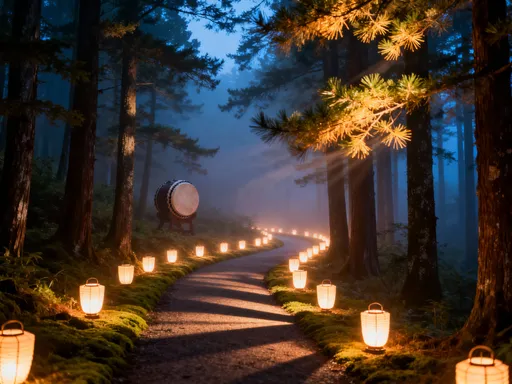
One of the most enchanting moments of Karuizawa’s summer festivals occurs after dusk, when the sky darkens and the first lanterns flicker to life. Along forest trails and garden paths, hundreds—sometimes thousands—of paper lanterns are lit, casting a warm, golden glow that transforms the landscape into something dreamlike. The air cools, carrying the scent of pine and earth, while the soft rustle of leaves blends with distant laughter and music. Walking through these illuminated routes feels less like sightseeing and more like stepping into a living storybook.
Some of the most memorable lantern walks take place near Shiraito Falls, where the gentle cascade reflects the soft light, creating a shimmering veil of silver and gold. Elsewhere, clearings in the woods are strung with lanterns in varying sizes and colors, arranged in patterns that guide visitors through a sensory journey. Some paths are designed to evoke the flow of water, others to represent constellations, and a few are laid out in tribute to seasonal deities or historical figures. Each step forward reveals a new vista—a glowing archway, a seated statue softly lit, a bench where couples pause to take it all in.
The emotional impact of these walks is profound. There’s a quiet intimacy to the experience, even in the presence of others. Parents hold their children’s hands a little tighter, couples walk in comfortable silence, and solo travelers often find themselves pausing to absorb the stillness. The lighting design is intentionally subtle—never harsh or flashy—so that the natural beauty of the surroundings remains the focus. This careful balance between artifice and authenticity is what makes the moment so powerful.
For many visitors, this lantern-lit journey becomes the highlight of their trip. It’s not just visually stunning; it feels symbolic. The light represents warmth, memory, and connection—qualities that are central to the festival experience in Karuizawa. Unlike fireworks, which burst and fade in seconds, these lanterns burn steadily, inviting contemplation. They remind us that some of the most meaningful experiences are not loud or fast, but quiet, sustained, and deeply felt. By the time the path ends and the lights fade behind, many find themselves reluctant to return to the ordinary world.
Taste of the Season: Festival Foods That Define Summer
No festival experience is complete without food, and Karuizawa’s summer events offer a delicious blend of classic street fare and regional specialties. As visitors wander from one attraction to the next, the scent of grilled noodles, sweet potatoes, and soy sauce fills the air. Popular staples like yakisoba (fried noodles), takoyaki (octopus balls), and yakitori (grilled chicken skewers) are available at nearly every food stall, prepared fresh and served in biodegradable containers that reflect the town’s environmental consciousness.
What sets Karuizawa apart is its emphasis on local sourcing and seasonal ingredients. The region is known for its high-quality wasabi, grown in pristine mountain streams, and several vendors offer wasabi-flavored snacks—everything from soft-serve ice cream to mochi and senbei (rice crackers). While the sharp, clean heat of real wasabi might surprise some, many find it refreshing in small doses, especially on a warm evening. Nearby dairy farms supply rich milk and creamy butter, which appear in festival treats like Hokkaido-style shaved ice topped with condensed milk and fresh fruit, or warm, flaky pastries filled with custard.
Beyond individual stalls, the festivals often feature pop-up markets run by agricultural cooperatives and women’s groups from surrounding villages. These booths showcase handmade preserves, pickled vegetables, and organic honey, often accompanied by friendly explanations from the producers themselves. Some even offer tasting samples, turning casual browsing into a mini culinary education. These interactions highlight the role of food as more than sustenance—it becomes a bridge between cultures, generations, and communities.
For families, the food experience is especially rewarding. Children delight in colorful cotton candy and rainbow-colored jelly drinks, while parents appreciate the availability of lighter, healthier options such as grilled vegetable skewers and miso soup. Many vendors accommodate dietary preferences, offering gluten-free or vegetarian alternatives upon request. The overall atmosphere is one of abundance and generosity—meals are reasonably priced, lines move quickly, and smiles are common. In a world where travel can sometimes feel transactional, Karuizawa’s festival food scene reminds us of the simple joy of sharing a meal under the stars.
How to Be Part of It: Practical Tips for Festival-Goers
To fully enjoy Karuizawa’s summer festivals, a bit of planning goes a long way. Most major events take place between late July and mid-August, coinciding with Japan’s Obon holiday period. While this timing ensures vibrant energy and full programming, it also means increased visitor numbers. Travelers are strongly advised to book accommodations several months in advance, particularly if seeking family-friendly inns or traditional ryokan with private baths. Many hotels and guesthouses offer festival shuttle services, which can save time and reduce stress, especially for those unfamiliar with local transit.
Getting around Karuizawa is relatively easy, thanks to a network of local buses and bicycle rental stations. The Karuizawa Prince Shopping Plaza serves as a central hub, with clear signage and multilingual staff to assist tourists. For festival attendees, arriving at least an hour before the main events begin is recommended—this allows time to explore food stalls, find a good viewing spot, and acclimate to the surroundings. Evening events, particularly the lantern walks and taiko performances, tend to draw the largest crowds, so positioning near the front or along quieter side paths can enhance the experience.
Dress appropriately for mountain weather. Even in summer, temperatures can drop to 15°C (59°F) after sunset, so a light jacket or sweater is essential. Comfortable walking shoes are a must, as many festival sites involve unpaved trails or grassy areas. Umbrellas or rain ponchos are wise to carry, as afternoon showers are not uncommon in the region. Families may want to bring small backpacks with water bottles, snacks, and portable seating cushions for added comfort.
For those wishing to fully immerse themselves, some ryokan and cultural centers offer rental services for traditional clothing such as yukata (light summer kimono). Wearing a yukata not only enhances the festive atmosphere but also serves as a respectful nod to local customs. Staff at rental shops are usually happy to assist with dressing and provide tips on etiquette. Whether worn for a single evening or the entire stay, this small gesture can deepen one’s connection to the experience. With thoughtful preparation, even first-time visitors can navigate the festivals with ease and confidence.
Beyond the Crowd: Finding Hidden Festival Corners
While the main festival grounds offer excitement and spectacle, some of Karuizawa’s most meaningful moments happen off the beaten path. Away from the illuminated plazas and drum circles, quieter events unfold—intimate gatherings that reveal the town’s deeper character. Early morning shrine ceremonies, for instance, invite visitors to witness purification rituals performed by local priests, their chants echoing in the still air. These moments are not staged for tourists but shared with openness, offering a rare glimpse into spiritual life in rural Japan.
Artisan workshops are another hidden gem. In small studios and community halls, local craftsmen demonstrate traditional skills such as washi paper-making, bamboo weaving, and indigo dyeing. Some sessions allow participants to try their hand at simple techniques, guided patiently by masters who take pride in passing on their knowledge. These hands-on experiences create lasting memories and foster appreciation for the time and care embedded in handmade objects.
Evening koto performances in private gardens offer a different kind of enchantment. Seated on wooden verandas overlooking koi ponds and stone lanterns, audiences listen to the delicate plucking of 13-stringed instruments, their melodies drifting through the night like whispers. These events are often unadvertised, announced only on community boards or through word of mouth. Seeking them out requires curiosity and a willingness to wander—but the reward is a sense of discovery, of having found something truly special.
Talking to locals is one of the best ways to uncover these hidden moments. Shop owners, innkeepers, and even fellow festival-goers often share personal recommendations—perhaps a secluded viewpoint, a favorite food stall, or a small shrine where wishes are written on ema plaques. These interactions, though brief, contribute to the feeling of being welcomed into a community rather than simply passing through. In Karuizawa, the most authentic experiences are not always the loudest, but the ones that unfold quietly, patiently, with grace.
Why Karuizawa’s Festivals Stay With You
The magic of Karuizawa’s summer festivals does not end when the lanterns are extinguished or the last drumbeat fades. What remains is a quiet resonance—a sense of having been part of something genuine and enduring. Unlike fast-paced urban attractions or highly commercialized events, these festivals offer a rare combination of beauty, tradition, and human warmth. They remind us that travel, at its best, is not about checking landmarks off a list, but about slowing down, opening our hearts, and allowing ourselves to be moved.
What makes these experiences linger is their authenticity. There is no performative distance between performer and audience, no barrier between visitor and local. The laughter of children, the shared effort of a group dance, the quiet exchange of a bow—these small gestures accumulate into a powerful emotional impression. They speak to universal values: connection, respect, and the joy of being present. In a world that often feels fragmented, Karuizawa’s festivals offer a model of harmony—between people, nature, and time.
Moreover, the setting amplifies the impact. Surrounded by forests, cooled by mountain breezes, and illuminated by the soft glow of lanterns, visitors are not just observing culture—they are immersed in it. The natural environment does not serve as a backdrop but as an active participant, shaping the mood, the pace, and the meaning of each moment. This integration of place and tradition is what elevates the experience beyond mere entertainment.
For families, couples, and solo travelers alike, Karuizawa’s festivals offer more than memories—they offer transformation. They invite us to reconsider how we travel, urging us to seek depth over speed, connection over convenience. They show that even in a modern world, ancient rhythms still pulse, waiting to be felt. And they prove that some of the most unforgettable journeys are not across continents, but into the heart of a single, luminous summer night.