You Won’t Believe What Siena’s Rooftops Reveal at Dawn
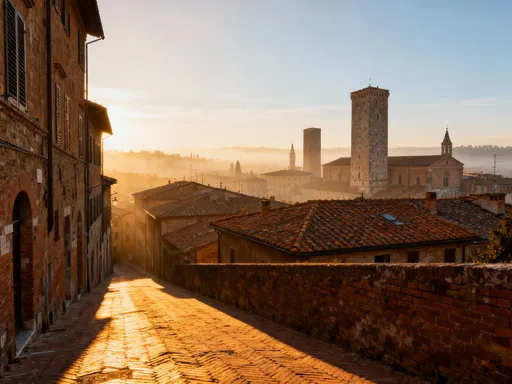
I’ll never forget climbing up a narrow staircase in Siena just before sunrise, not knowing what awaited me. When I reached the top, the entire medieval cityscape unfolded beneath a golden sky—terracotta roofs, winding alleys, and towers rising like sentinels from another era. This wasn’t just a view; it was a living map of history. If you think Siena is only about the Piazza del Campo, think again. There’s a quieter, more soulful side to its cityscape—one that rewards curiosity and timing. Few moments in travel rival the hush of dawn in this Tuscan jewel, where time seems to pause and the city breathes in golden light. For those willing to rise early and look beyond the postcard sights, Siena offers a revelation: its rooftops, streets, and hidden corners are not merely structures, but stories etched in stone.
The Hidden Rhythm of Siena’s Cityscape
Siena does not conform to the predictable geometry of modern cities. Its streets do not follow grids; instead, they meander like ancient streams, shaped by centuries of foot traffic, horse-drawn carts, and the natural contours of the three hills upon which the city rests. This organic layout is no accident—it reflects a deep-rooted tradition of urban life that prioritizes community and continuity over convenience. The city’s 17 contrade, or historic districts, each functioned as semi-independent neighborhoods during the Middle Ages, and their boundaries still influence the flow of daily life today. As a result, the cityscape feels less like a designed plan and more like a living organism, growing and adapting while preserving its core identity.
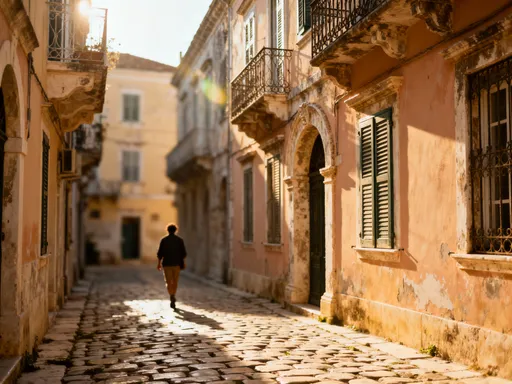
Walking through Siena is an experience of constant discovery. One moment you're in a wide piazza bathed in sunlight, and the next you've slipped into a shaded alley so narrow that your shoulders nearly brush both walls. These transitions are not disorienting—they are intentional, creating a rhythm that invites exploration. Sunlight plays a crucial role in this sensory journey. In the early hours, golden beams stretch across cobblestones, casting long shadows that highlight the texture of centuries-old stone. The play of light and shadow transforms familiar facades into dynamic compositions, revealing details often missed in the harsh clarity of midday. It’s in these quiet interludes that Siena feels most alive—not as a museum, but as a city that remembers its past while continuing to live it.
The architectural language of Siena is consistent yet varied. Buildings rise in terracotta and ochre hues, their facades marked by arched windows, wooden shutters, and wrought-iron balconies. These elements repeat throughout the city, creating a visual harmony that ties the districts together. Yet each neighborhood maintains its own character through subtle distinctions—tile patterns, fountain designs, or the shape of a bell tower. This balance between unity and individuality is what makes Siena’s cityscape so compelling. It is a place where history is not preserved behind glass but embedded in the very way people move through their days.
Why Dawn Transforms the Ordinary into Magic
There is a special alchemy in the first light of day over Siena. As the sun rises above the Tuscan hills, its low-angle rays skim across the city’s rooftops, igniting the terracotta tiles in warm, amber tones. The stone walls, weathered by centuries of wind and rain, come alive with texture—every crack, groove, and patch of lichen becomes visible in the soft glow. This is not the flat, even light of midday; it is sculptural, dimensional, and deeply poetic. At dawn, Siena sheds its tourist skin and reclaims its soul, offering a version of itself that few visitors ever witness.
The absence of crowds enhances the transformation. By 6:00 a.m., most shops are still shuttered, and the only sounds are the distant clink of a baker’s tray or the soft shuffle of a cat across a piazza. The Piazza del Campo, usually teeming with tourists and pigeons, lies still and reflective, its shell-shaped surface gleaming with dew. This stillness allows for a deeper kind of observation—one that goes beyond sight to include the scent of fresh bread, the coolness of morning air, and the quiet hum of a city waking up. It is in these moments that Siena feels most authentic, unperformed and unfiltered.
For those seeking the best vantage points, a few locations stand out. The rooftop terrace of the Museo Civico, accessible through the Palazzo Pubblico, offers a sweeping panorama of the city’s layered skyline. From here, the rooftops ripple outward like waves, interrupted only by the slender tower of Mangia and the dome of the Duomo. Another excellent spot is the belvedere near the Church of San Domenico, perched on the city’s southern edge. This quieter location provides a more intimate view, with fewer visitors and a dramatic backdrop of the surrounding countryside. Timing is essential—arriving 30 minutes before sunrise ensures you catch the full progression of light, from indigo shadows to golden illumination.
To experience dawn in Siena without disruption, it helps to plan ahead. Wear comfortable shoes suitable for uneven stone paths, and bring a light jacket—the mornings can be cool, especially in spring and autumn. Avoid using flash photography or loud devices that might disturb the peace. The goal is not to conquer the city but to move through it with reverence, allowing it to reveal itself at its own pace. Those who do are rewarded with more than beautiful images—they gain a sense of connection, a feeling of having glimpsed something rare and true.
Walking Through Time: The Contrade as Living Neighborhoods
The contrade are the soul of Siena, each one a self-contained world with its own name, symbol, church, and fiercely proud residents. These 17 districts originated in the Middle Ages as military divisions, but over time they evolved into social and cultural units that continue to define life in the city. The Palio, Siena’s famous bareback horse race held twice each summer, is the most visible expression of contrada identity, but the spirit of these neighborhoods permeates daily life year-round. Banners hang from windows, fountains bear district emblems, and local festivals celebrate patron saints with processions and communal meals.
Walking through different contrade is like stepping into distinct chapters of a single story. In San Prospero, nestled near the city walls, the atmosphere is hushed and dignified. The streets are lined with well-kept homes, their facades adorned with climbing jasmine and potted geraniums. The district’s fountain, shaped like a lion’s head, trickles softly into a stone basin—a quiet emblem of resilience. Just a few blocks away, Oca (meaning “goose”) pulses with a livelier rhythm. Its narrow lanes open into small piazzas where children play and neighbors gather in the evenings. The architecture here is more modest, with simpler facades and visible signs of everyday use, yet it radiates warmth and community.
Each contrada’s identity is reflected in its architecture and public spaces. The Eagle district features mosaics of its namesake bird embedded in sidewalks, while the Tortoise district displays bronze plaques shaped like shells at street corners. These details are not tourist attractions; they are part of the fabric of local life, maintained by contrada committees and passed down through generations. Even the colors of door frames and window trim often align with district hues—ochre for Giraffe, green for Wave, red for Dragon. This deep integration of identity and environment creates a cityscape that feels both cohesive and richly diverse.
For visitors, engaging with the contrade means more than sightseeing—it means observing with respect. While most districts welcome curious travelers, some rituals and gatherings are private. The best approach is to move slowly, listen carefully, and avoid intruding on residential areas. A simple smile or nod to a local can go a long way. By honoring the living nature of these neighborhoods, visitors gain a deeper appreciation for Siena not as a static relic, but as a dynamic, breathing community where history is not remembered but lived.
Beyond the Piazza: Undiscovered Corners That Define Siena
While the Piazza del Campo draws millions each year, some of Siena’s most poignant views lie just beyond the tourist trail. These hidden corners—quiet courtyards, secluded staircases, and rooftop overlooks—are known primarily to locals and those who take the time to wander without a map. One such place is the courtyard behind the former hospital of Santa Maria della Scala, now a museum complex. Once a refuge for pilgrims and the sick, the space retains a solemn grace. In the early morning, sunlight filters through archways, illuminating fresco fragments and ancient stonework, creating a meditative atmosphere far removed from the bustle of the main piazza.
Another lesser-known vantage point is the pathway leading up to the Church of San Domenico, perched on a hill overlooking the city. This route, often overlooked by guided tours, offers a gradual ascent through shaded lanes and wildflower-lined walls. At the top, a simple stone railing provides a panoramic view of Siena’s red-tiled roofs cascading down toward the valley. Unlike the crowded Duomo terrace, this spot is rarely packed, allowing for quiet contemplation. It is also associated with Saint Catherine of Siena, one of the city’s most revered figures, adding a layer of spiritual significance to the vista.
Hidden staircases are another feature that reveal Siena’s layered topography. The Scala di San Antonio, tucked between two buildings near the city center, descends sharply into a quiet neighborhood below. Climbing it at dawn, when mist still clings to the steps, feels like stepping into a Renaissance painting. Similarly, the alleyway known as Vicolo del Cieco, or “Blind Man’s Lane,” winds through a series of arches and turns, each revealing a new perspective on the skyline. These passages are not designed for convenience; they are remnants of a time when defense and terrain dictated urban form.
Exploring these spaces requires mindfulness. Many of the buildings along these routes are private homes, and residents value their privacy. Visitors should avoid loud conversations, refrain from knocking on doors, and never enter restricted areas. The best times to visit are early morning or late afternoon, when light is soft and foot traffic is low. By approaching these places with respect and curiosity, travelers can experience a more intimate side of Siena—one that is not staged for cameras but preserved for daily life.
Architecture as Identity: How Siena Builds Its Soul
The materials of Siena are not chosen for aesthetics alone—they are expressions of identity. Terracotta tiles, locally quarried travertine, and sun-baked brick form the palette of the city, creating a warm, earth-toned harmony that extends from grand palaces to humble homes. These materials age gracefully, their colors deepening over time rather than fading. A wall that was once bright ochre may mellow into a soft sienna, its surface marked by centuries of weather and touch. This natural evolution is not hidden or repaired; it is celebrated as part of the city’s story.
What sets Siena apart from many historic cities is its steadfast resistance to modern intrusion. While other Italian towns have seen glass towers, neon signs, or chain stores alter their skylines, Siena has maintained strict preservation laws that protect its medieval character. New construction must adhere to traditional materials and height limits, ensuring that no building overshadows the Duomo or disrupts the skyline. Even signage is regulated—large advertisements and digital displays are banned in the historic center, preserving a sense of visual calm.
This commitment to continuity creates a rare coherence in the cityscape. Whether you’re standing in a bustling piazza or a quiet alley, the architecture feels of a piece, as if every building belongs to the same family. Compare this to cities like Florence or Rome, where Renaissance palaces stand beside modern apartments, creating a layered but sometimes jarring contrast. In Siena, the absence of such disruptions allows the eye to rest, to absorb the city as a unified whole. It is not frozen in time—shops update their displays, cafes serve modern menus—but it evolves with restraint, ensuring that change does not erase memory.
The result is a city that feels timeless not because it refuses to change, but because it chooses change wisely. This philosophy extends beyond architecture to urban planning. Traffic is limited in the historic center, and many streets are pedestrian-only, preserving the human scale of the city. Public spaces are designed for gathering, not commerce—fountains serve as meeting points, and piazzas host everything from open-air markets to children’s games. In a world where historic centers are often turned into theme parks for tourists, Siena remains a place where people live, work, and celebrate in harmony with their surroundings.
Photographing the Cityscape: Capturing Essence Over Filters
Photographing Siena at dawn is less about technical perfection and more about presence. While high-end cameras and lenses can enhance detail, the most powerful images often come from observation, not equipment. A mid-range zoom lens (24-70mm) is ideal for capturing both wide vistas and intimate details. A tripod can help stabilize shots in low light, but many of the city’s most evocative moments occur in motion—the flicker of light on a fresco, the shadow of a bird across a rooftop. In these instances, being ready with a handheld camera or even a smartphone is more important than having the latest gear.
The key is to look beyond the obvious. Instead of framing only the Duomo or the Piazza del Campo, focus on smaller elements: a weathered door with a brass knocker, a window box spilling over with red geraniums, or the way morning light catches the edge of a terracotta tile. These details tell the story of daily life in Siena—of hands that tend flowers, feet that wear down stone steps, and generations that have lived within these walls. Avoid overly staged compositions; authenticity resonates more deeply than perfection.
Equally important is ethical framing. Siena is not a set for photo shoots—its streets are lived-in spaces. Always ask permission before photographing people, especially during private moments or religious events. Respect signage that indicates restricted areas, and avoid climbing on walls or monuments. The goal is not to extract beauty but to honor it. Many travelers find that pairing photography with journaling deepens the experience. Jotting down a few lines about the air, the sounds, or a chance encounter can transform a simple photo into a lasting memory.
Finally, resist the urge to filter everything through digital enhancement. While minor adjustments for exposure or contrast are fine, over-editing can strip images of their soul. The beauty of Siena lies in its imperfections—the chipped paint, the uneven stones, the quiet wear of time. These are not flaws to be corrected but marks of authenticity to be cherished. When you look back at your photos, you’ll want to remember the city as it truly was, not as it was made to appear.
Planning Your Own Siena Cityscape Journey
For the best experience, plan your visit during the shoulder seasons—April to early June or September to October. These months offer mild weather, fewer crowds, and soft, diffused light ideal for photography. Summer brings intense heat and throngs of tourists, while winter, though peaceful, can be chilly and damp, with shorter daylight hours. If possible, stay in a centrally located guesthouse or boutique hotel within the historic walls. This allows for easy access to dawn viewpoints without long walks in the dark. Look for accommodations with early breakfast service or nearby cafés that open by 6:00 a.m.
One of the simplest pleasures of a Sienese morning is starting with a cappuccino at a local bar. Establishments like Caffè di Bari or Pasticceria Nannini begin serving early, offering fresh pastries and strong espresso to fuel your exploration. Sitting at a small table outside, watching the city wake up, is an essential part of the experience. From there, set out on foot—Siena’s compact size makes walking the best way to discover its rhythms. Resist the urge to rely solely on digital maps; instead, use a paper guide or simple sketch to orient yourself, then allow for serendipity. Some of the best views come from getting slightly lost.
When navigating, pay attention to elevation. Siena is built on hills, and many of the best views require climbing stairs or ascending gentle slopes. Wear supportive footwear with good grip, as the stone steps can be slippery when damp. Carry a small backpack with water, a notebook, and a light wrap. If you’re visiting during the Palio season (July and August), be aware that some areas may be closed for preparations, but dawn hours remain peaceful even during these busy times.
The most important part of your journey is not the itinerary, but the mindset. Move slowly. Pause often. Let the city reveal itself in its own time. Siena does not reward haste; it rewards patience. Those who linger are the ones who hear the whisper of history in the wind, who see the light dance on ancient walls, and who understand that true beauty is not found in grand gestures, but in quiet, ordinary moments.
Siena’s cityscape isn’t just something you see—it’s something you feel, moment by moment, as light shifts and history whispers through stone. By stepping off the beaten path and embracing stillness, travelers gain more than photos; they gain presence. In a world rushing toward the new, Siena stands as a quiet rebellion—a place where beauty lives in the ordinary, waiting for those willing to look up, slow down, and truly see.