You Won’t Believe These Hidden Trails in Boracay
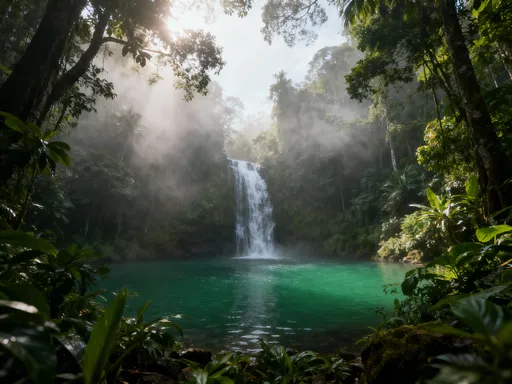
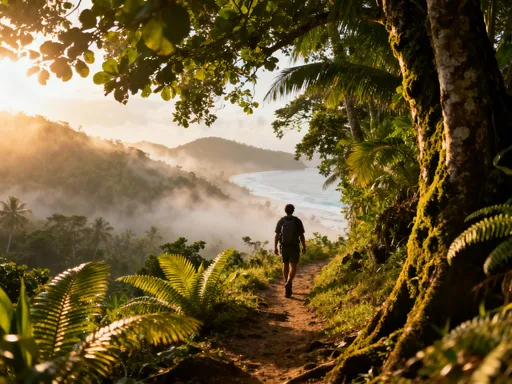
When you think of Boracay, white sand beaches and crystal-clear waters probably come to mind—but there’s more beneath the surface. I never expected to find lush jungle paths, coastal ridges, and panoramic viewpoints just steps from the tourist hubs. Hiking here isn’t just possible—it’s a mind-blowing way to see the island’s wild side. If you're craving nature beyond the beach, this is your sign to lace up and explore. While most travelers spend their days lounging under palm trees or snorkeling in turquoise shallows, a quieter, greener world awaits just off the beaten path. This hidden dimension of Boracay reveals itself through winding trails, native forests, and breathtaking overlooks that offer not only physical adventure but emotional renewal. For those willing to step beyond the shore, the island’s inland beauty promises a deeper connection to nature and a more complete understanding of its ecological richness.
Beyond the Beach: Boracay’s Secret Natural Side
Boracay is globally celebrated for its powdery white sands and vibrant beach culture, yet this small island in the central Philippines holds a surprisingly rugged interior. Beyond the postcard-perfect coastline lies a landscape shaped by centuries of natural forces—rolling hills, limestone formations, and pockets of tropical forest that have quietly endured despite increasing tourism. While the majority of visitors remain clustered along White Beach and its lively promenade, the island’s elevated terrain offers a different kind of allure. These less-traveled areas are home to native flora like nipa palms, pandan trees, and thickets of wild ferns that thrive in the humid climate. The terrain varies from gentle slopes to rocky inclines, with some trails winding through remnants of old-growth vegetation untouched by development.
What makes Boracay’s inland terrain particularly fascinating is how seamlessly it contrasts with its beachfront image. A short climb up one of the island’s modest peaks reveals a world apart—where the roar of the ocean fades into birdsong and rustling leaves. This natural duality is often overlooked, yet it speaks volumes about the island’s ecological complexity. The presence of such diverse ecosystems within a space barely seven kilometers long underscores the importance of preserving these green corridors. Hiking through them not only provides physical exercise but also fosters appreciation for the delicate balance between tourism and conservation. As more travelers seek authentic experiences, Boracay’s hidden trails stand as a testament to the idea that paradise isn’t just found on postcards—it’s discovered on foot, one step at a time.
Why Hike in Boracay? The Appeal of Nature Escapes
In recent years, there has been a noticeable shift in travel preferences, with more people opting for experiential and nature-based activities over passive sunbathing. This trend reflects a growing desire to connect with destinations on a deeper level—not just as spectators, but as mindful participants in the environment. Hiking in Boracay aligns perfectly with this movement, offering an accessible way to engage with the island’s natural heritage. Unlike crowded beaches where personal space can be limited, the trails provide solitude, fresh air, and a chance to reset mentally and physically. The act of walking through quiet forests or ascending to a viewpoint encourages mindfulness, reducing stress and enhancing overall well-being.
Scientific studies have long supported the mental health benefits of spending time in nature, citing reduced cortisol levels, improved mood, and increased focus after outdoor activity. In the context of a tropical island getaway, hiking becomes more than just recreation—it transforms into a form of restoration. After days of swimming and sightseeing, a guided walk through Boracay’s interior offers balance, grounding travelers in the present moment. Moreover, these nature escapes allow families, couples, and solo adventurers alike to create meaningful memories away from commercialized zones. For many, the reward isn’t just the view at the summit, but the sense of accomplishment and peace that comes from disconnecting from noise and reconnecting with the natural world.
Another compelling reason to hike in Boracay is environmental awareness. As travelers navigate shaded paths and observe native plants and wildlife, they gain firsthand insight into the island’s ecological value. This direct experience often inspires greater respect for conservation efforts, especially given Boracay’s history of environmental rehabilitation. By choosing to explore beyond the beach, visitors contribute to a broader narrative of sustainable tourism—one that values preservation as much as enjoyment. In this way, hiking becomes both a personal journey and a small act of stewardship, reinforcing the idea that responsible travel starts with curiosity and care.
Top Hiking Spots: Where Adventure Meets Scenery
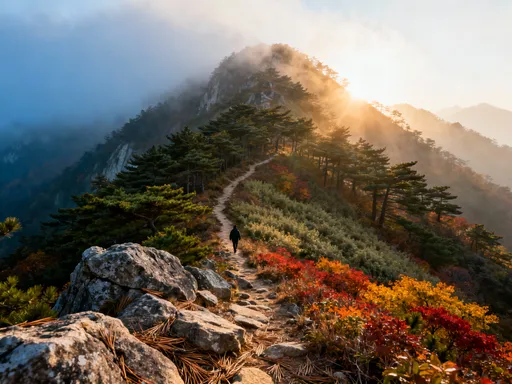
For those ready to explore, Boracay offers several accessible and rewarding hiking destinations that showcase its diverse terrain. One of the most popular is the trail leading to the Mount Luho Observation Deck, situated near the island’s highest point at approximately 207 meters above sea level. Though not a technically challenging climb, the path rewards hikers with 360-degree views of Boracay’s coastline, surrounding islets, and the vast expanse of the Sulu Sea. The route is well-maintained in sections, with stone steps and handrails installed for safety, making it suitable for beginners and families. Along the way, shaded areas provide rest spots, and informational boards highlight local plant species and conservation messages.
Another notable destination is the forested ridge trail near Bulabog Beach, located on the eastern side of the island. Known primarily for kiteboarding, Bulabog also serves as a gateway to quieter, elevated pathways that wind through dense vegetation. This trail offers a more immersive jungle experience, with towering trees creating a natural canopy and the sound of waves faintly audible in the distance. The terrain here is uneven in places, with exposed roots and loose stones requiring careful footing, but the effort is repaid with secluded vantage points overlooking both Bulabog and the calmer waters of White Beach. It’s an ideal route for those seeking a moderate hike with minimal crowds.
For coastal lovers who still want a sense of adventure, the walk from Yapak to Ilig-Iligan Beach presents a scenic alternative. While not a steep climb, this route follows a narrow coastal path bordered by rocky outcrops and native shrubs, offering intermittent ocean views and glimpses of marine life in tidal pools. Ilig-Iligan itself remains relatively undeveloped, with coarse golden sand and strong currents that discourage swimming but enhance its wild charm. The journey to this beach combines light hiking with exploration, making it perfect for a half-day excursion. All of these trails are recognized by local eco-tourism groups and often included in guided nature walks, ensuring visitors stay on safe, environmentally responsible routes.
What to Expect: Trail Conditions and Natural Features
Before setting out, it’s important to understand what the trails actually entail. Most hiking paths in Boracay are informal rather than professionally engineered, meaning they follow natural contours rather than paved or graded surfaces. Hikers should expect a mix of terrain: compacted dirt, rocky patches, exposed tree roots, and occasionally muddy sections after rainfall. The tropical climate means humidity is high year-round, and sudden showers can make paths slippery, so proper footwear with good grip is essential. Trails are generally marked by local guides or community signs, but wayfinding can require attention—especially in areas where vegetation grows quickly and obscures markers.
The natural features along these routes add to the sensory richness of the experience. Lush greenery dominates, with banana plants, coconut palms, and wild orchids appearing in shaded areas. Birdwatchers may spot species like the Philippine pygmy woodpecker or the zebra dove, while butterflies flit between flowering shrubs. The air carries the earthy scent of damp soil after rain, mingling with the salty breeze from the sea. At higher elevations, the wind picks up, offering relief from the heat and enhancing the feeling of openness. These sensory details contribute to the immersive quality of the hike, turning a simple walk into a full-bodied encounter with nature.
Safety is a key consideration, particularly during the hotter parts of the day. Temperatures can rise above 30°C (86°F), increasing the risk of dehydration and heat exhaustion. It’s advisable to carry at least one liter of water per person and to wear breathable, sun-protective clothing. Sunscreen and a wide-brimmed hat are also recommended, as shade is limited on exposed ridges. While the trails are not dangerous, hikers should remain cautious on steep or slippery sections and avoid venturing off marked paths to prevent soil erosion and disturbance to wildlife. With proper preparation, however, the trails are safe and enjoyable for most fitness levels, offering a rewarding blend of challenge and beauty.
How to Prepare: Gear, Timing, and Local Tips
Successful hiking in Boracay begins with thoughtful preparation. The best times to hike are early morning—between 6:00 and 8:30 a.m.—or late afternoon, from 3:00 to 5:30 p.m. These windows avoid the midday heat and offer softer light for photography. Mornings are especially pleasant, with cooler temperatures and the chance to see the island awaken—birds calling, mist rising from the hills, and the first rays of sun illuminating the sea. Late afternoon hikes provide golden-hour views and a refreshing end to the day’s activities.
Essential gear includes sturdy walking shoes or trail sandals with ankle support, as flip-flops are inadequate for uneven terrain. A lightweight backpack is useful for carrying water, snacks, sunscreen, and a small first-aid kit. Insect repellent is highly recommended, particularly in forested areas where mosquitoes may be present. While mobile phone reception is generally reliable near main roads, signal can weaken in elevated or remote zones, so downloading offline maps or hiking with a guide is a wise precaution. Many local eco-tour operators offer guided nature walks that include transportation, hydration, and expert commentary on the island’s ecology.
Local guides emphasize the importance of respecting the environment. Hikers are encouraged to follow the “leave no trace” principle—packing out all trash, avoiding picking plants, and staying on established paths. It’s also advised to refrain from feeding wildlife, which can disrupt natural behaviors. Guides often share stories about the island’s reforestation efforts and the role of community-led conservation, adding cultural depth to the experience. By preparing properly and hiking responsibly, visitors help protect Boracay’s fragile ecosystems while enjoying a more authentic and enriching journey.
Combining Hiking with Island Culture and Sustainability
Hiking in Boracay is not just about physical exploration—it’s also an opportunity to support sustainable tourism and local communities. Many of the trails are maintained by neighborhood associations or environmental groups working to preserve green spaces amid development pressures. When travelers choose guided hikes led by local residents, they directly contribute to livelihoods and incentivize conservation. These small-scale operators often reinvest earnings into trail upkeep, waste management, and environmental education programs for youth, creating a positive feedback loop that benefits both people and nature.
The island’s rehabilitation efforts, which included a temporary closure in 2018 to address environmental degradation, have heightened awareness about the need for responsible travel. Today, eco-conscious practices are increasingly embedded in tourism offerings, from waste reduction initiatives to community-based tours. Hiking fits naturally within this framework, promoting low-impact activity that aligns with ecological goals. Visitors who engage in these experiences often leave with a greater understanding of the challenges and triumphs involved in protecting a fragile island ecosystem.
Moreover, combining hiking with cultural appreciation enriches the overall experience. Some guided walks include visits to local gardens where residents grow native plants, or brief stops at small sari-sari stores run by families in nearby villages. These interactions foster genuine connections and allow travelers to see Boracay through the eyes of those who call it home. By choosing to explore mindfully, hikers become part of a larger movement toward sustainability—one that values long-term preservation over short-term convenience. In this way, every step taken on a trail becomes a small act of respect for the land and its people.
Making the Most of Your Hike: From Summit Views to Hidden Beaches
The true magic of hiking in Boracay lies in the unexpected discoveries along the way. A summit viewpoint may reveal not just a sweeping panorama, but a quiet space for reflection—a place to pause, breathe, and absorb the beauty of the island from a new perspective. Some trails lead to hidden coves or rock formations perfect for a peaceful break, far from the buzz of resorts and restaurants. These moments of solitude are increasingly rare in popular destinations, making them all the more precious. Whether sitting on a sun-warmed boulder overlooking the sea or watching a heron stalk fish in a tidal pool, hikers often find themselves reconnecting with a slower, more intentional rhythm of life.
For families, these experiences offer valuable opportunities to teach children about nature, conservation, and the joy of unplugged exploration. Parents report that their kids are more engaged and curious when walking through forests or spotting lizards on the path than when passively consuming entertainment. For solo travelers, the trails provide a sense of independence and discovery, allowing for personal reflection in a serene setting. Couples find romance in shared sunsets from secluded lookouts, while fitness enthusiasts appreciate the physical challenge and scenic reward.
Ultimately, hiking transforms the way visitors experience Boracay. It shifts the focus from consumption to connection, from passive relaxation to active engagement. The island’s true beauty is not confined to its beaches, but lives in the harmony between land, sea, and community. By venturing inland, travelers gain a fuller picture of what makes Boracay special—a place where nature endures, culture thrives, and mindful exploration leads to deeper fulfillment. So the next time you plan a visit, consider stepping off the sand and into the green. The trails are waiting, and the view from above is unforgettable.